Are you planning to establish a scrap recycling business and want to understand the scrap recycling plant cost? Radhika Plants & Machinery provides industrial machinery solutions for businesses exploring scrap processing, metal recycling, and material recovery operations. The total investment required for a scrap recycling plant depends on the type of scrap, production capacity, machinery configuration, automation level, and installation requirements.
Whether you are planning a small scrap processing unit or a larger industrial recycling facility, understanding the equipment requirements and operating expenses can help you make informed investment decisions.
What Is the Cost of a Scrap Recycling Plant?
The cost of a scrap recycling plant varies according to the materials being processed and the level of processing required. A plant designed for basic scrap size reduction may require a different configuration from a complete recycling line incorporating shredding, crushing, sorting, and separation equipment.
At Radhika Plants & Machinery, businesses researching scrap recycling machinery can evaluate equipment requirements according to their intended application. Before estimating the overall project cost, it is important to identify the type of scrap, expected daily processing volume, desired output quality, and available installation space.
The final project budget may include machinery, electrical systems, material feeding arrangements, installation, transportation, safety provisions, and other site-specific expenses.
Factors Affecting Scrap Recycling Plant Cost
Several factors influence the investment required to set up a scrap recycling plant.
1. Type of Scrap Material
The material being processed is one of the most important cost considerations. Iron scrap, steel scrap, aluminium scrap, copper-bearing scrap, and mixed metal waste can require different processing methods. The machine design must match the material's size, thickness, hardness, and composition.
2. Production Capacity
The required processing capacity directly affects machinery selection. A plant intended to handle a limited quantity of scrap may need a different arrangement from a facility designed for continuous, high-volume industrial operations. Buyers should evaluate both current demand and expected future growth.
3. Machinery Configuration
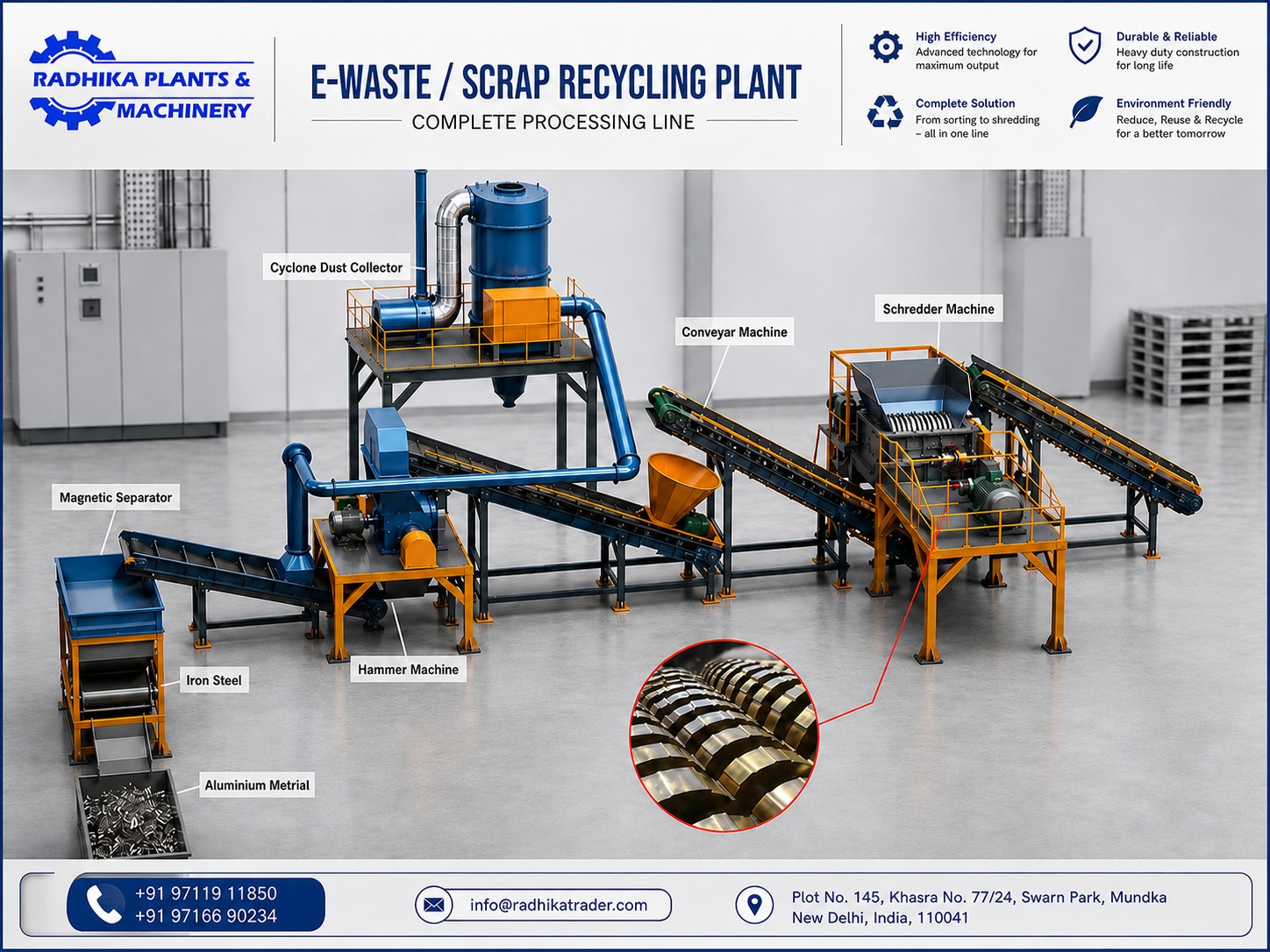
A scrap recycling plant may include several types of equipment depending on the application, such as:
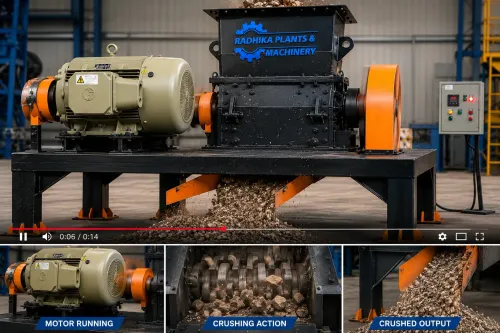
- Industrial scrap shredders
- Hammer mill machines
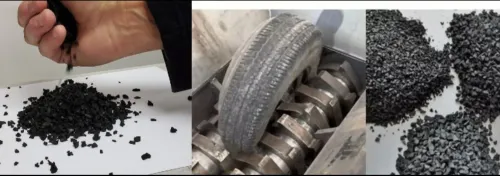
- Metal crushing machines
- Scrap cutting equipment
- Magnetic separation systems
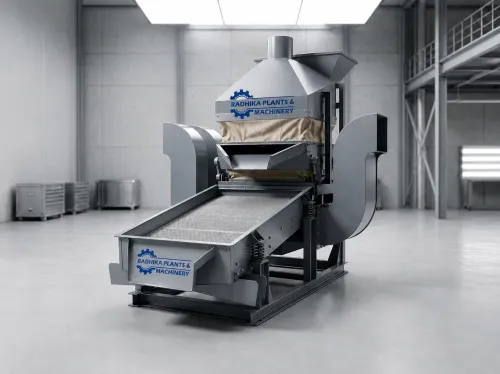
- Screening and material sorting equipment
- Conveyors and feeding systems
- Dust collection and supporting equipment
Not every plant requires all these machines. The appropriate combination depends on the scrap material and the desired finished product.
4. Automation and Electrical Requirements
Manual, semi-automatic, and automated processing arrangements differ in equipment requirements, controls, installation complexity, and operating costs. Motor capacity, electrical infrastructure, control panels, and site utilities should be included when preparing a project estimate.
5. Installation and Infrastructure
The total investment may also include factory space preparation, foundations, material storage areas, electrical connections, ventilation, fire safety measures, and arrangements for loading and unloading scrap.
Types of Scrap Recycling Plants
Radhika Plants & Machinery can be approached by businesses researching machinery for different scrap processing applications.
Metal Scrap Recycling Plant: Designed for processing suitable metal waste into smaller or more manageable forms for subsequent recovery and recycling.
Aluminium Scrap Recycling Plant: Intended for handling compatible aluminium scrap, with machinery selected according to the material's shape, thickness, and contamination level.
Iron and Steel Scrap Processing Plant: May use cutting, shredding, crushing, and material handling equipment to prepare suitable ferrous scrap for further processing.
Mixed Scrap Processing Plant: Requires careful assessment of different material types and may incorporate sorting and separation systems to improve material recovery.
The equipment needed for each application can differ considerably, so the plant should be planned around the actual feed material rather than a standard equipment list.
How to Calculate a Scrap Recycling Plant Budget
A practical project estimate should account for the complete installation instead of considering only the purchase price of the main machine.
The following cost components should be reviewed:
- Primary recycling and size-reduction machinery
- Conveyors and feeding arrangements
- Sorting and separation equipment
- Electrical panels and power infrastructure
- Transportation and installation
- Factory preparation and civil work
- Labour and operator training
- Spare parts and routine maintenance
- Waste handling and environmental safeguards
- Working capital for scrap procurement and daily operations
The relative importance of these expenses depends on the size, location, and configuration of the proposed plant.
Is a Scrap Recycling Plant a Good Business Investment?
A scrap recycling business can offer opportunities where there is reliable access to recyclable materials and consistent demand from downstream buyers. However, profitability depends on several variables, including scrap purchase prices, recovered material quality, processing efficiency, electricity consumption, labour costs, transportation, maintenance, and market fluctuations.
Before investing, prospective entrepreneurs should study the local scrap supply chain, identify potential buyers, estimate operating expenses, and evaluate the expected quantity of recoverable material. A realistic financial plan should include working capital and allowance for changing market conditions rather than relying only on machinery costs.
Why Choose Radhika Plants & Machinery for Scrap Recycling Machinery?
Radhika Plants & Machinery is a point of enquiry for businesses exploring industrial machinery for scrap processing and recycling applications. Selecting suitable equipment begins with understanding the material to be processed, the required production capacity, and the intended output.
When discussing your project requirements, provide details about the scrap type, expected daily throughput, available space, power supply, and desired level of automation. These details help establish a more relevant machinery configuration for your recycling operation.
Frequently Asked Questions About Scrap Recycling Plant Cost
1. What is the cost of setting up a scrap recycling plant?
The cost depends on the scrap material, processing capacity, machinery configuration, automation, installation requirements, and infrastructure. A project-specific quotation is more reliable than a single general price.
2. Which machines are required for a scrap recycling plant?
Depending on the application, the plant may require a shredder, hammer mill, crusher, conveyor, cutting machine, screening system, or separation equipment. The exact combination depends on the material and required output.
3. What factors should I consider before purchasing a recycling plant?
Consider feed material, daily capacity, output size, available electricity, factory space, installation requirements, maintenance, safety provisions, and the availability of scrap and buyers.
4. Does scrap recycling plant cost include installation?
Not necessarily. Installation, transportation, electrical work, civil construction, and commissioning may be quoted separately. Buyers should confirm the inclusions and exclusions in the supplier's quotation.
5. Can I start a small-scale scrap recycling business?
A small-scale operation may be possible depending on the scrap type, local requirements, available space, budget, and machinery needed. Begin by identifying the material supply and buyers before finalizing the equipment.
6. How can I get a quotation for a scrap recycling plant?
Contact Radhika Plants & Machinery with details of your scrap material, expected processing capacity, desired output, installation location, and automation preferences to discuss suitable machinery requirements.
Contact Radhika Plants & Machinery
Planning a new recycling facility or upgrading an existing scrap processing unit? Radhika Plants & Machinery can be approached to discuss industrial machinery options for your application.
For a more accurate scrap recycling plant cost estimate, prepare your material specifications, target processing capacity, site details, and preferred plant configuration before requesting a quotation.
Keywords